Property fixes and removals
Dry rot treatment: cost, the survey and a vetted timber specialist
Dry rot treatment means finding and stopping the moisture feeding the fungus, removing affected timber and treating the area, then repairing what was damaged. Because dry rot can spread through masonry, it needs a proper survey, not a quick spray. Costs depend on the spread, so get a survey and quote from a PCA specialist.
Not sure what it is yet? Read the full guide to how to identify dry rot, how serious it is and whether it spreads on our sister site HomesAndHedge. This page focuses on the cost, the survey and getting it fixed.
Need this sorted? We match you to vetted, accredited specialists for this exact problem. Free for homeowners.
Get matchedWhat it is
Dry rot is a wood-destroying fungus that needs damp timber to take hold but can then spread through masonry to reach new wood, which is why it is taken more seriously than other rots.
This page covers treatment, cost and finding a specialist. For how to identify dry rot, how serious it is and whether it spreads, see the HomesAndHedge guide linked below.
The survey and the work
The first job is always to find and stop the source of moisture, because dry rot cannot survive without it. This might be a leak, defective rainwater goods, penetrating damp or poor ventilation.
Affected timber is cut out back to sound wood, the surrounding area is treated, and in some cases masonry is treated where the fungus has travelled through it. Then the structure is repaired or replaced.
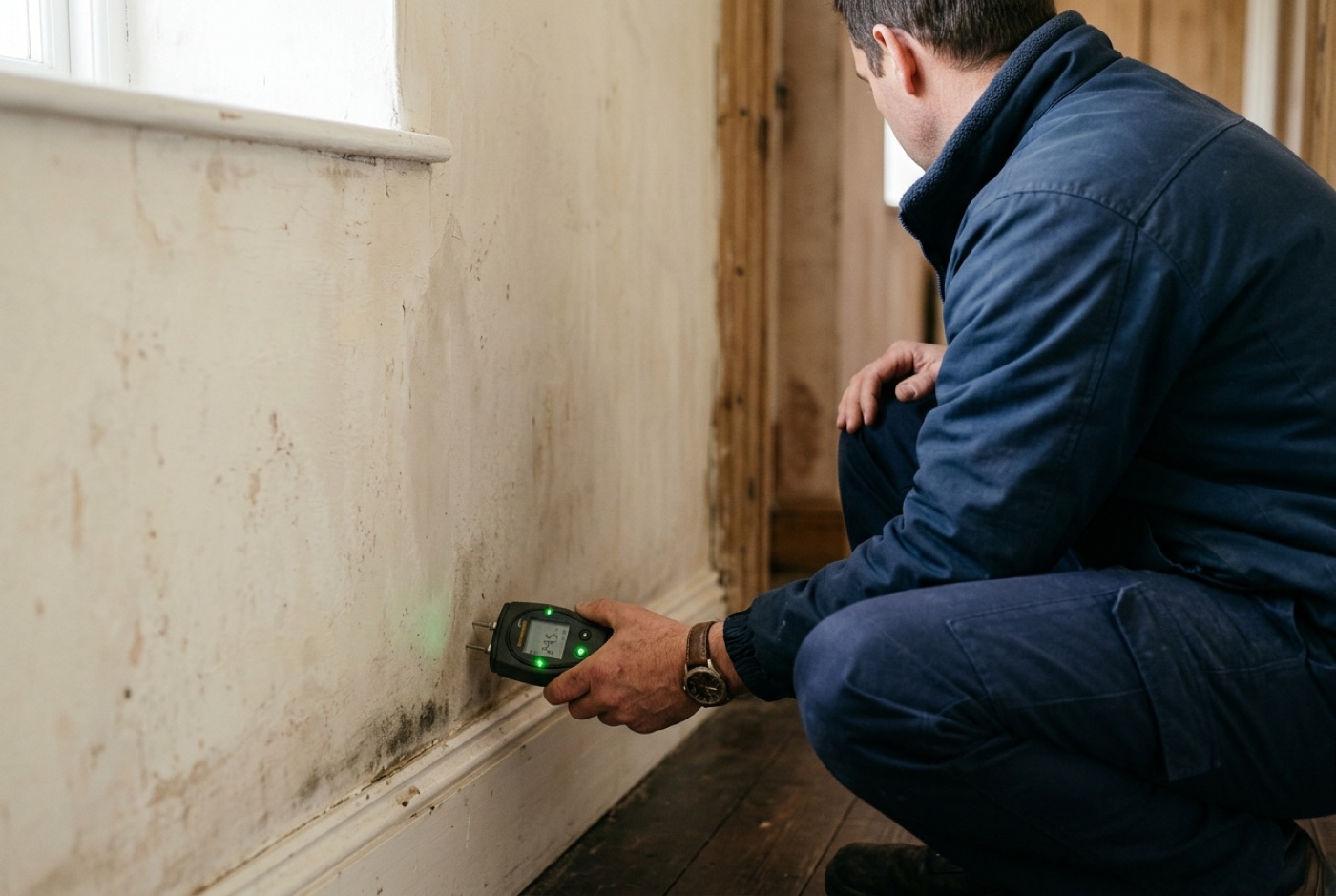
A thorough survey is essential because dry rot can be hidden behind plaster or under floors, and missing an outbreak means it returns.
Cost
- Timber / damp survey
- Get a quote Confirms the extent and the moisture source. Some firms refund it against the work.
- Treatment and timber repair
- Get a quote Depends on how far the rot has spread and how much timber must be replaced.
- Fixing the moisture source
- Get a quote Repairing the leak or damp that caused it; often the essential step.
Cost varies widely with the spread of the outbreak, so there is no single figure. A survey is needed before any reliable quote, and the moisture fix is usually as important as the treatment.
Who it is for
- Homeowners who have found, or had flagged, what looks like dry rot and need it assessed and treated properly.
- Buyers or sellers where a survey has raised timber decay or dry rot.
- Anyone with persistent damp and a musty smell near timber, especially in cellars, under floors or behind plaster.
The mortgage and sale angle
- Dry rot raised in a survey can lead a lender to hold back funds pending a timber report, so a documented assessment and treatment from an accredited specialist is often what releases the mortgage.
- Because dry rot can spread, buyers want evidence it has been properly traced and treated, not just sprayed; a survey and guarantee provide that.
- Fixing the moisture source is what stops it returning, and documenting that reassures both lender and buyer.
How to choose a vetted specialist
- Use a Property Care Association (PCA) member who surveys before quoting and identifies the moisture source.
- Be cautious of any quote to spray without first finding and fixing the cause of the damp.
- Get the extent of the outbreak, the repair scope and any guarantee in writing.
Frequently asked questions
How is dry rot treated?
By finding and stopping the moisture feeding it, cutting out affected timber back to sound wood, treating the area and any masonry the fungus has travelled through, then repairing the structure. A spray alone, without fixing the damp, does not solve it.
How much does dry rot treatment cost?
It depends heavily on how far the rot has spread and how much timber must be replaced. There is no fixed price, and a survey is needed first. Get an itemised quote from a PCA member that separates the survey, treatment, repairs and the moisture fix.
Is dry rot worse than wet rot?
Dry rot is usually treated more seriously because it can spread through masonry to reach new timber, whereas wet rot stays where the damp is. Both need the moisture source fixed. A proper survey identifies which you have and how far it has spread.
Sources
Editor, VettedHome
Adam leads VettedHome's editorial coverage of UK home services. He is the founder and managing director of Muswell Rose, the commercial strategy and modern systems business behind a portfolio of UK information sites, and he researches and writes the plain-English guides that help homeowners choose between installers and trades, drawing on the standards set by bodies such as MCS, TrustMark, the Energy Saving Trust and the Property Care Association. He is clear about what to check before any work starts.
Last reviewed: 11 June 2026