Home energyEnergy and green upgrades
Home battery storage: cost and is it worth it in 2026
A home battery stores electricity, usually from solar panels or cheap off-peak grid power, to use later instead of buying at peak rates. Qualifying batteries carry 0 percent VAT until 31 March 2027. Whether it is worth it depends on your solar generation, tariff and how much electricity you use in the evening.
We read your enquiry and reply by email. Check an installer's accreditation before work starts, using the guide below.
On this page
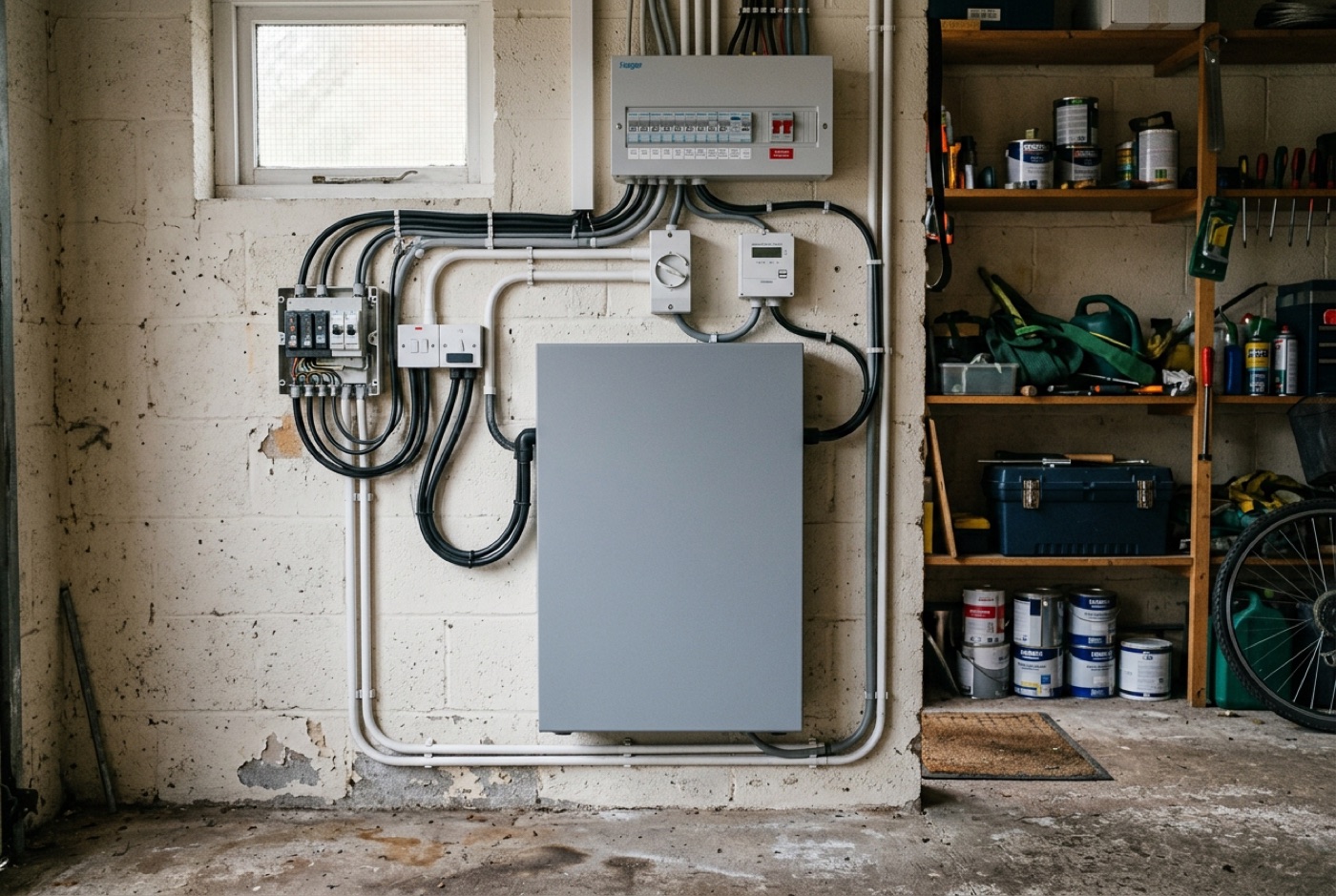
What it is
A home battery storage system stores electricity so you can use it when you need it rather than when it is generated. Paired with solar, it captures the daytime electricity you would otherwise export and lets you use it in the evening.
Batteries can also be charged from the grid during cheap off-peak hours on a time-of-use tariff, then discharged at peak times to cut your bill, even without solar.
How it works
The battery sits between your solar panels, your home and the grid. Smart control software decides when to charge it (from surplus solar or cheap grid electricity) and when to discharge it (when your home is drawing power at expensive times).
Size matters: a battery that is too small will not capture all your surplus, while one that is too large rarely fills, so it should be sized to your actual usage and generation.
Cost
- Battery system
- Get a quote Cost depends on capacity (kWh), brand and whether it is fitted alongside new solar or retrofitted.
- VAT
- 0% until 31 March 2027 Qualifying home battery storage carries 0 percent VAT until 31 March 2027, then is set to revert to 5 percent.
There is no single price because batteries are sold by capacity and brand. The honest figure is a quote sized to your usage and solar generation. Avoid oversizing.
Who it is for
- Homes with solar that export a lot of daytime electricity they could instead store and use in the evening.
- Households on a time-of-use tariff who can charge cheaply off-peak and discharge at peak, with or without solar.
- Anyone wanting more energy independence or backup, though not all batteries provide backup during a power cut.
Grants and savings
- 0 percentQualifying home battery storage carries 0 percent VAT until 31 March 2027 (gov.uk).
- A battery raises self-consumption of your solar, reducing how much expensive peak electricity you buy.
- On a time-of-use tariff, charging off-peak and discharging at peak can lower bills further; the saving depends on the price gap.
How to choose an installer
- Use an MCS-certified installer; MCS now covers battery storage as well as solar.
- Ask whether the battery provides backup power in an outage, as many do not by default.
- Check the usable capacity, the warranty (cycles and years) and that the system is sized to your usage, not oversold.
Frequently asked questions
Is a home battery worth it without solar?
It can be on a time-of-use tariff, where you charge the battery with cheap off-peak electricity and use it at peak times. The saving depends on the price difference between off-peak and peak. With solar, a battery also captures surplus daytime generation.
How big a battery do I need?
It should be sized to your evening electricity use and, if you have solar, to your typical daily surplus. Too small and it will not capture all your spare power; too large and it rarely fills. A good installer sizes it to your actual usage.
Does a home battery keep the lights on in a power cut?
Not always. Many home batteries shut down in a power cut for safety unless they include a specific backup function and the right wiring. If outage backup matters to you, ask the installer to confirm it is included before you buy.
Sources
Send an enquiry

Editor, VettedHome
Adam leads VettedHome's editorial coverage of UK home services. He is the founder and managing director of Muswell Rose, the commercial strategy and modern systems business behind a portfolio of UK information sites, and he researches and writes the plain-English guides that help homeowners choose between installers and trades, drawing on the standards set by the relevant bodies for each job, such as Gas Safe Register, NICEIC, MCS, TrustMark and the Property Care Association. He is clear about what to check before any work starts.
Last updated: