Trades guideGuide: Emergencies
Emergency tradesperson callout fees: what is normal
An emergency callout fee covers the first hour on site, with multipliers for out-of-hours, weekends and bank holidays. National emergency brands often quote far more because the call is desperate. Knowing the fair structure, and the free checks to try first, stops a panic call from costing far more than it should.
On this page
How emergency fees are structured
- Daytime weekday: a first-hour callout fee, then an hourly rate after.
- Evening: a premium on the daytime rate.
- Overnight: a larger premium.
- Saturday daytime: a moderate premium.
- Sunday or bank holiday: the highest premium.
Watch the charging basis
Some firms charge a minimum of two hours regardless of time on site. Ask. Some charge "from our door to yours" (round-trip travel). Avoid those. A fair firm charges time on site, from arrival.
The four phrases that signal a reputable firm
- "Our callout fee is a set amount and that covers the first hour" (a specific number, not "it depends").
- "We charge time on site, not from when we leave the depot" (no round-trip travel).
- "You will get a written quote before any parts go in" (not "we will let you know when we are done").
- "Our engineer is Gas Safe or NICEIC registered, here is the number" (they volunteer the registration).
When a callout is genuinely necessary
- Smell of gas indoors: stop, ventilate, and ring the National Gas Emergency Service on 0800 111 999 (free, 24/7) before any private engineer.
- A major water leak you cannot isolate: shut off the main stopcock if you can, then ring a 24-hour plumber.
- Total power loss with an active fault that will not reset: get an emergency electrician.
- No heating in winter with a vulnerable occupant: a legitimate emergency for a Gas Safe engineer.
Free things to try first
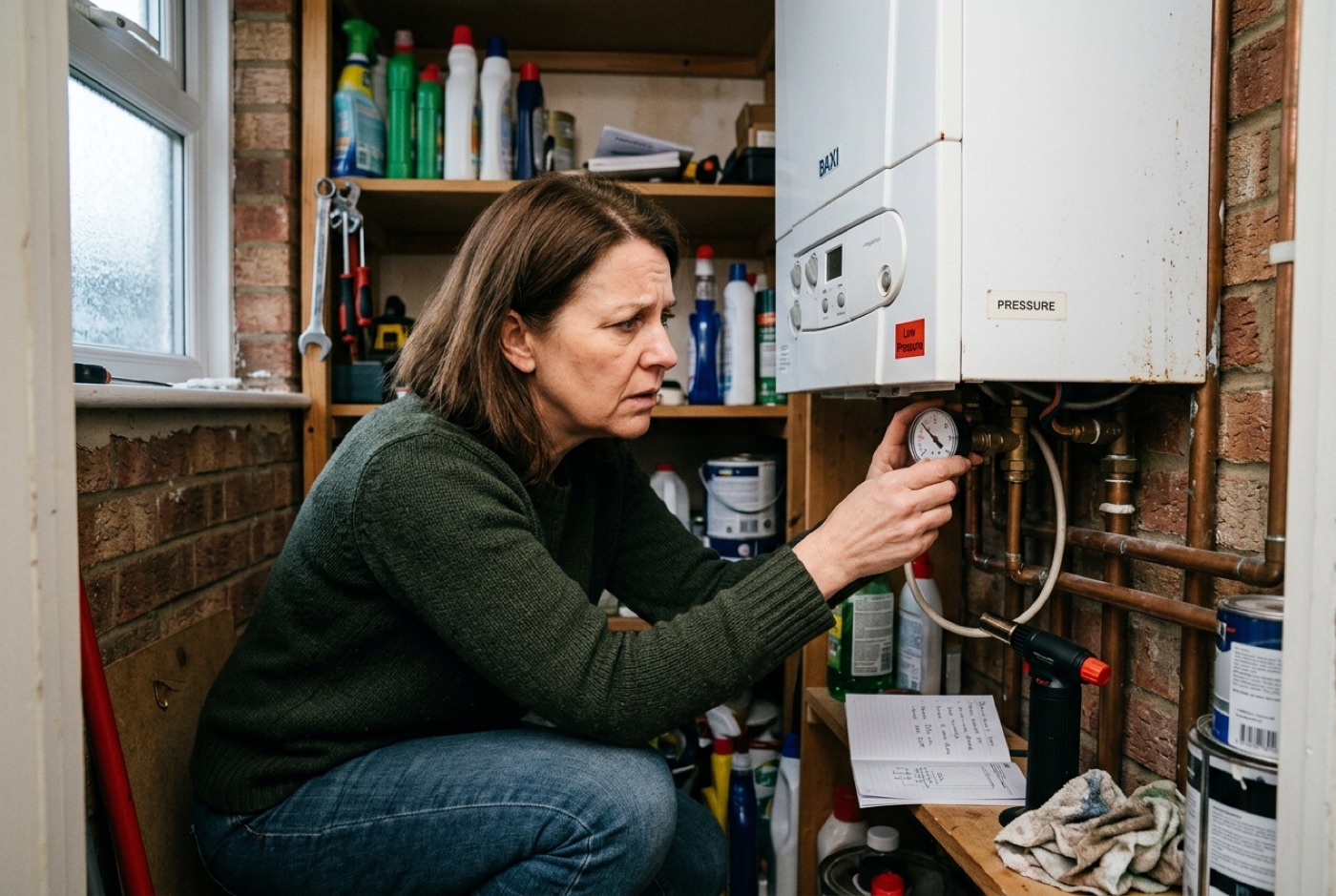
- A boiler error code: check the manual or manufacturer site, since many codes (low pressure, frozen condensate) you can clear yourself.
- A tripped RCD: unplug everything on the affected circuit, reset, then plug back in one at a time.
- No hot water but heating fine: often a diverter valve, not an emergency, so a daytime appointment is far cheaper.
- A leak you have stopped at the stopcock: contain it and book a daytime appointment.
How to choose a trade
- Ask for the callout fee as a specific number, and confirm it is charged from arrival on site, not round-trip travel.
- Insist on a written quote before any parts are fitted.
- Ask the engineer to volunteer their Gas Safe or NICEIC registration number, and verify it.
Frequently asked questions
What is a fair emergency callout fee?
A fair firm quotes a specific first-hour callout fee, charges time from arrival on site rather than round-trip travel, and gives a written quote before fitting parts. National emergency brands often quote far more because the call is desperate. Always ask for the number up front rather than accepting "it depends".
How do I know an emergency firm is reputable?
They give a specific callout figure, charge from arrival not from the depot, promise a written quote before any parts, and volunteer the engineer Gas Safe or NICEIC registration number. If a firm is vague on any of those four, treat it as a warning sign and call someone else.
What should I try before calling an emergency tradesperson?
For a boiler error code, check the manual, since low pressure and a frozen condensate are often self-fixable. For a tripped RCD, reset and reconnect appliances one at a time. For a leak, isolate at the stopcock. Many "emergencies" become a cheaper daytime appointment once contained.
Sources

Editor, VettedHome
Adam leads VettedHome's editorial coverage of UK home services. He is the founder and managing director of Muswell Rose, the commercial strategy and modern systems business behind a portfolio of UK information sites, and he researches and writes the plain-English guides that help homeowners choose between installers and trades, drawing on the standards set by the relevant bodies for each job, such as Gas Safe Register, NICEIC, MCS, TrustMark and the Property Care Association. He is clear about what to check before any work starts.
Last updated: